
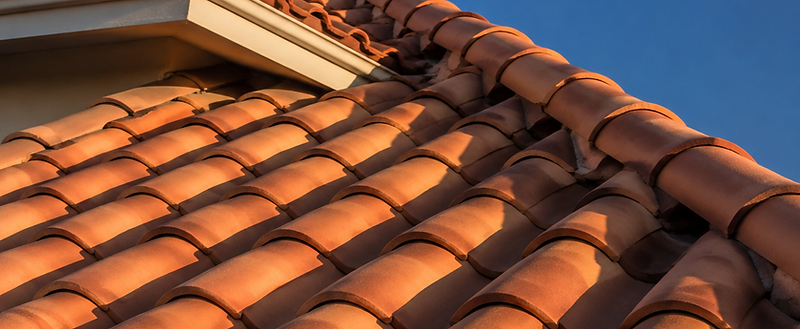
Tile roofs are sold on longevity, and the tile itself often deserves that reputation. Concrete and clay tile can remain serviceable for decades.
The underlayment beneath it usually cannot. That distinction is the single most useful thing a South Florida homeowner can understand about a tile roof.
Two materials, two lifespans
The tile is the visible weathering surface. The underlayment is the actual waterproofing. Tile sheds most of the water, but the layer that keeps the deck dry is the membrane below it. When that membrane reaches the end of its life, water reaches the deck no matter how good the tile looks.
What shortens underlayment life
Heat, ultraviolet exposure at the laps, poor attic ventilation, debris accumulation in valleys and ponding at low-slope sections all accelerate deterioration. So does foot traffic from trades working on the roof.
Re-roof instead of replace
If the tile field is sound, a tile re-roof removes the tile, replaces the underlayment and flashing, and reinstalls the original tile. It preserves the appearance and the investment while addressing the part that actually failed. Breakage during removal is the main variable.
When replacement is the honest answer
If tile is cracked, brittle, discontinued or if the deck has structural problems, a re-roof is false economy. The right answer depends on an inspection, not on a preference.
Key takeaways
- Judge a tile roof by underlayment age, not tile appearance
- A tile re-roof can preserve an existing field
- Attic ventilation affects how long the assembly lasts
This article is general homeowner education, not a substitute for a site inspection or professional advice about your specific property. Florida Building Code requirements are confirmed per address during an estimate.